

A medical device fitted to the body to achieve one or more of the following:
- prevent injury
- align and/or correct deformities
- increase mobility and/or independence
- assist in rehabilitation, protect and/or support a healing injury
How to tell if you need orthotics
Orthotics can be part of a comprehensive treatment plan to address many symptoms, usually having to do with misalignment and correction of the various body parts. Some goals of orthotic treatment include:
- correcting body deformities
- providing support to the joints
- helping the body function better
- reducing the risks for further injuries
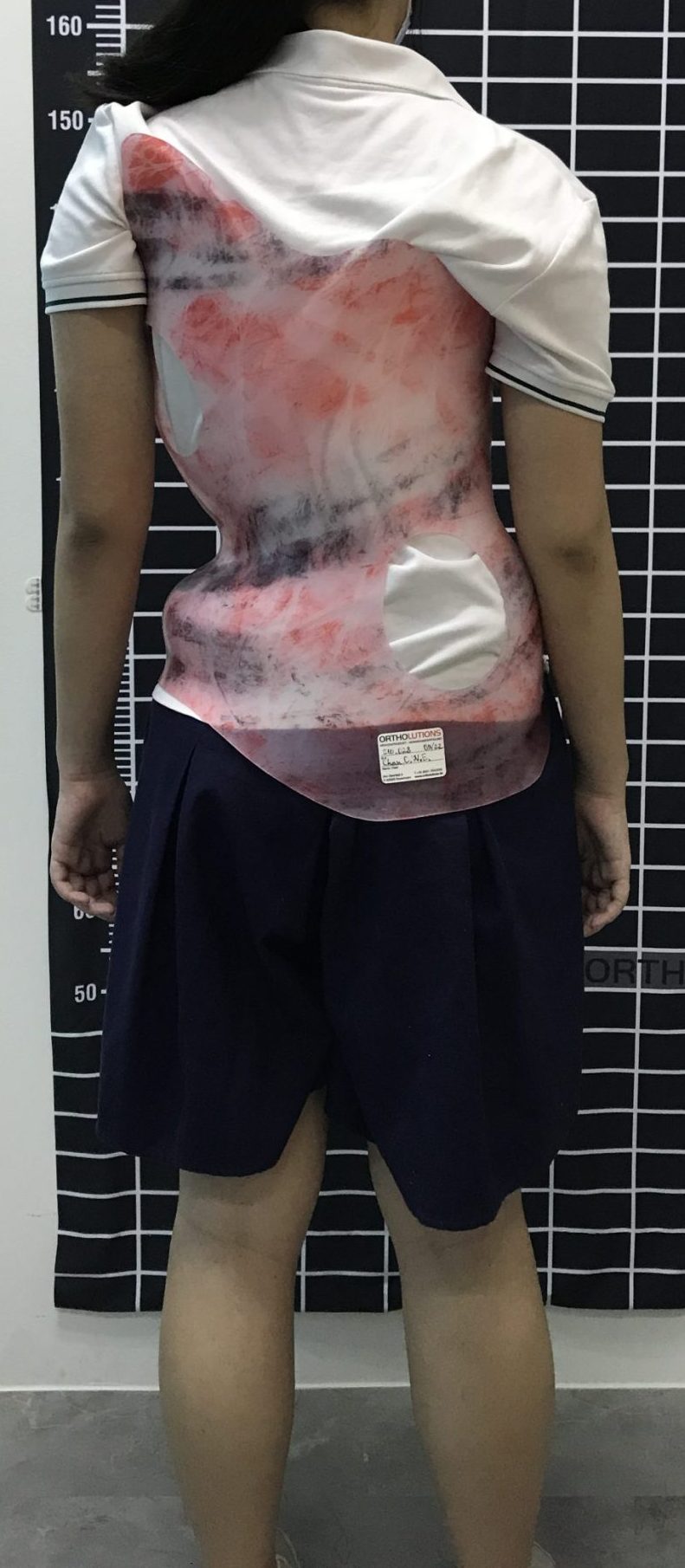
Orthotics are more than just heel pads or shoe inserts you buy at most athletic stores. They’re highly customized biomechanical devices made for your body. We will only recommend orthotics if off-the-shelf devices or other treatments such as exercises at home are ineffective.
How an orthotist diagnoses issues
You may see a specialist doctor who specializes in conditions of specific body parts, if you’re experiencing significant conditions. They’ll first ask about your symptoms. Questions may include when you first noticed the symptoms, what makes them worse, and what makes them better.
Our orthotists will then conduct a physical exam of your body. They’ll look for deformities and areas that are especially misaligned. For example, we will likely ask you to walk and perform other activities to determine how your body is positioned during certain exercises. Sometimes we may even have special imaging scans to determine the severity of your condition(s).
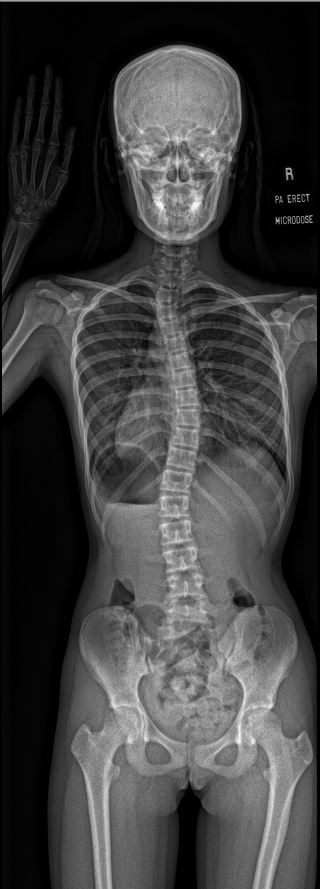
These images will show how and where your correction is needed and can help direct the exact location and type of orthosis needed in the structure and function of your body. Some traditional imaging of your body, such as X-ray, bone scan, or MRI can help us identify areas of misalignment, damage, or injury. We will consider these diagnostic methods when making treatment recommendations, including to potentially prescribe orthotics.
What conditions are orthotics used to treat?
We may prescribe orthotics to treat a number of medical conditions. Examples include:
- Scoliosis. Spinal curves can cause long term physical and psychological discomfort in individuals that orthotics may help to correct.
- Bunions. Bunions are painful bumps that can develop at the base of the big toe and cause foot deformities. Orthotics with a wide toe box can help to reduce pressure on the big toe.
- Flat feet. Flat feet can cause foot, ankle, and back pain. Orthotics can help to support the feet and promote proper foot positioning.
- Heel spurs. Heel spurs are conditions where excess bone grows on the back or bottom of the heel. Orthotics can support the foot and reduce inflammation.
- High arches. Very high arches can stress muscles in the feet and lead to a number of conditions, such as shin splints, knee pain, and plantar fasciitis. Orthotics can help prevent a person’s feet from rolling excessively inward or outward.
- Injuries. People who’ve experienced trauma to their feet and ankles may require extra support during the healing process with orthotics.
- Plantar fasciitis. Plantar fasciitis is a common cause of heel pain. Doctors may sometimes recommend orthotics to support the heel and foot.

We may also prescribe custom orthotics for people who have positional concerns with their bodies. This can include those with underdeveloped body muscles.
How can orthotics help?
Orthotics are often one part of a treatment regimen for many medical and health concerns. For example, an orthotist may prescribe orthotics in conjunction with treatments such as more supportive braces as well as physical therapy exercises. We often recommend orthotics in conjunction with these treatments because orthotics can correct misalignments that aren’t ideally positioned. For example, when feet overpronate, they roll slightly inward or downward. This is usually the case for those with very flat feet. Wearing orthotics can help provide additional arch support to try and prevent this. Orthotics may also provide additional support and cushioning in key areas of the feet, such as the heel or ball of the foot.
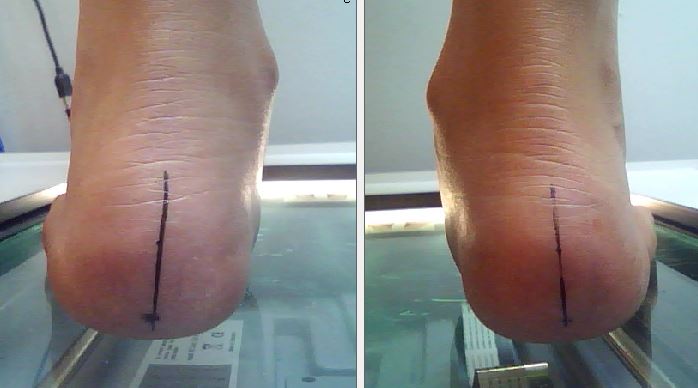
Because orthotics are custom-made, the person making them will consider the individual’s footwear needs. Ideally, orthotics and other treatments can help a person avoid more invasive treatments, such as surgery.
Types of orthotics for kids
Orthotics can be customized in a variety of materials. Experienced orthotists will prescribe orthotics based on what condition and symptoms a person has. The orthotic types can range in materials from rigid — usually made from materials such as carbon fiber or plastic — to accommodative, which is very flexible and cushioning. Some orthotics are full-shoe inserts similar to the insoles present in many athletic shoes.
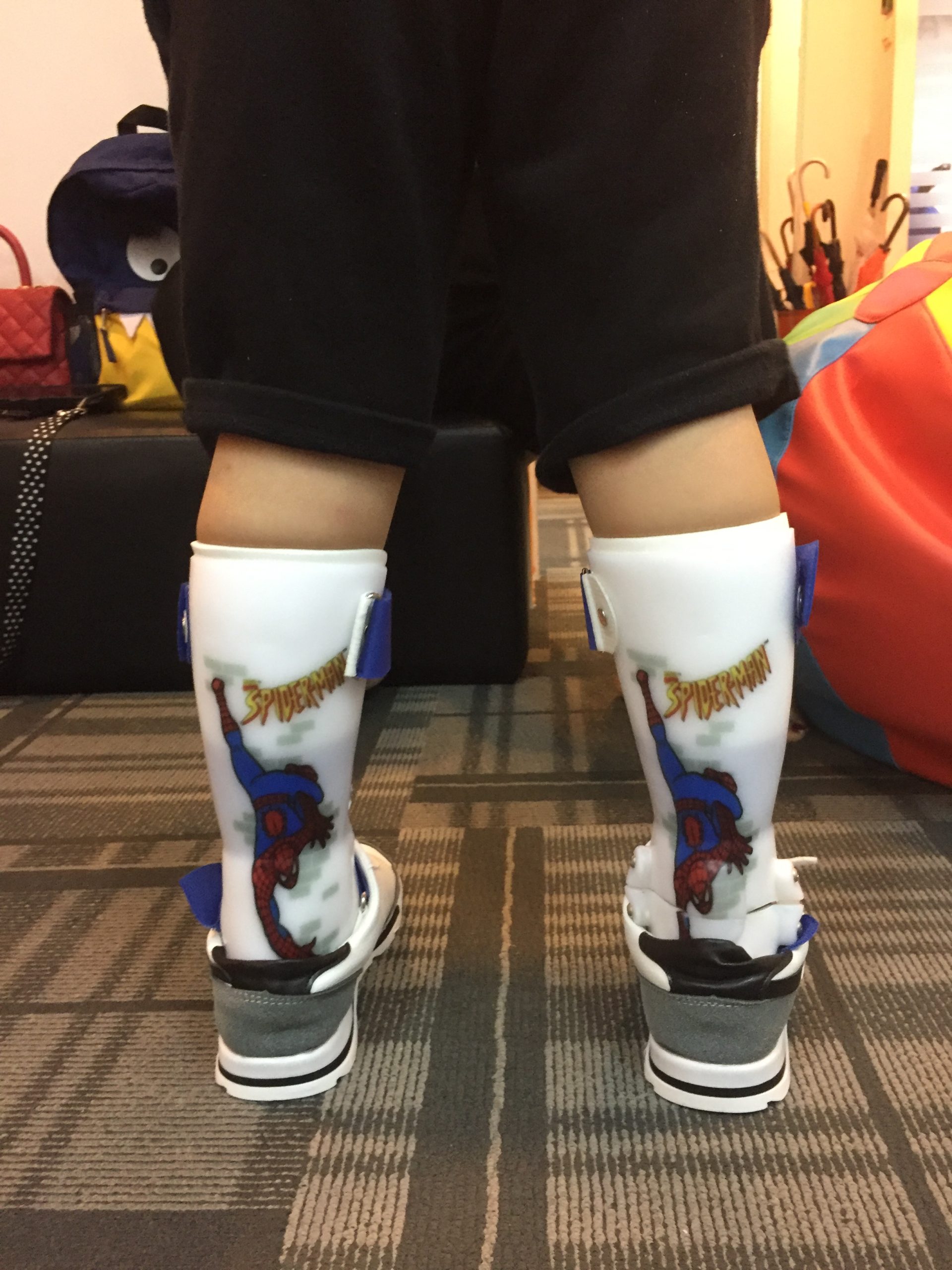
Ankle-foot orthotics are options that have not only a shoe insert, but also an upright portion that extends from the heel upward and around the calf.
Do orthotics really help?
Orthotics don’t universally help all people with conditions that affect the body. There are many complex considerations surrounding the effectiveness of orthotics, including:
- the training and experience of the person making the orthotic
- the severity of an individual’s condition
- how often a person wears them
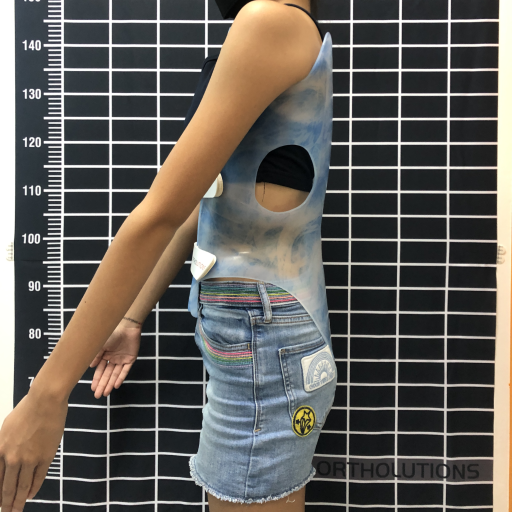
There are studies that support the use of orthotics for treating head, spine, knee as well as foot and ankle problems. However, many of them stress that the orthotic must be well-fitting and worn correctly.
The bottom line
Orthotics can be a part of a comprehensive treatment plan to help those who have health and medical concerns. They aren’t for everyone, and may create an expense for those without insurance coverage.
If your trusted medical professional recommends an orthotic or orthotics, it’s best to ask questions about what kind of results you can expect from routine wear.
Last updated on December 14, 2022
Who wrote this article:
Susanna Koh

READ THIS NEXT